• Perhaps the main thing that occurred to me as I watched the presentation on photographers in film was of how few films I have seen about photographers. I have not seen any of the films referenced in the presentation, and the only film I recall seeing about a photographer was Triage from 2009. I would agree that photographers seem to be presented in mass media either as parasites (on the fashion/paparazzi end of the scale) or fearless campaigners for justice (on the conflict photographer end). On reflection, though I admire the great conflict photographers immeasurably, it has never really had an effect on my own practice as I have never considered myself anywhere near brave enough to pursue such a calling. As for the other end of the scale – celebrity culture and fashion are two (interlinked) things that I (wilfully? Proudly?) do not understand – whenever I am forced to contemplate such things, I get depressed.

    I would imagine that directors and writers incorporate these two ends of the photographic spectrum (and little in between, it would seem) as it legitimises their own artistic endeavours – on the one hand, there is no way that Dan Gilroy, the writer and director of Nightcrawler, who himself produces images of disaster for our titillation, can be as bad as his creation Lou Bloom – the film itself is an indictment of such practices. At the other end, the nobility of the war photographer bringing human suffering to light and opening the hearts of the world to the plight of the downtrodden…surely that is exactly what the directors of such films feel they are trying to do.

    As technology has advanced, photography has gotten easier. I think this goes without saying. Though I just said it nevertheless. Especially with the advent of digital imaging. On the one hand, this has indubitably led to a general perception that anyone can be a photographer – a perception fed by camera and phone adverts, from the Yashica advert mentioned in the presentation through to contemporary adverts for iPhones and so on. In fact the increase in the quality and ease of use of phone cameras has all but wiped out the compact camera market and led, as pointed out, to the massive rise in UGC in news and other media. And I do think that the nostalgia apparent in the rise of Lomography and subsequent digital imitators and the further subsequent rise in film photography is fed by the desire to be seen to be doing something difficult as well as different (I have a whole raft of ideas about the need of post-hipster culture to be seen as being original whilst all looking, dressing and acting the same, but this is probably not the place for it…). It is a path I have trodden in my own practice. I started out in the early 1980s both taking and developing 35mm photographs. I progressed to digital cameras, then was seduced by Lomography. Having gotten used to the quick fix of digital photography, I found analogue Lomography took too long (not to mention that the majority of the images I made didn’t look edge and cool – they were just crap) so I advanced to Hipstamatic. At that stage, photography was definitely a by-product of my love of travel (now that has reversed) and I only carried a Fuji compact and my trusty iPhone as I trudged across the globe. I recently found a forgotten Amazon cloud account on which I had stored 10,000 images I made between 2010 and 2013. My initial excitement was tempered somewhat when I discovered that the majority of them were taken with the exact same Hipstamatic filter. The only halfway decent images I had were of Russia as my phone was stolen early on in the trip…

    As I am far from being a professional photographer, the rise in UGC has benefitted me, giving me a platform to aspire to and a reason to improve. Further more, as a consumer of news media, I think the fact that we have virtually immediate and widespread visual access to pretty much anything that happens anywhere in the world is a wonderful thing, not least because it is subverting the tradition of social control via what information is allowed to reach the public. Although I can imagine that there are professional photographer who can do a better job seeing their livelihoods stripped, I nevertheless think that this is an exciting time to be alive!
  • I remember as a child being challenged by a friend who offered the following scenario: a bee is flying south along a railway line when it is hit by a train travelling north. This means that there must be a point when the bee meets the train, when the bee stops travelling south and begins to travel north and is, therefore, stationary. As the bee is, at this point, compressed onto the front of the train, then the train must too at this point be stationary. It took a while wrestling with this conundrum for me to realise the solution – this is an idea borne of a fundamental misunderstanding of time and reality – that time is made up of a series of single moments strung together. And this misunderstanding, so it seemed to me, was itself an idea borne of our knowledge of the moving image, made up as it is of a series of still images strung together.

    Although the still and moving image appear to be inextricably linked, for me at least they are about as separate as they could be. Despite loving films (indeed a unit of my Bachelor’s degree was in film studies) creating moving image does not and never has interested me. When online, I will rarely pause on a social media post or news story that requires me to watch a video. The only time I ever use YouTube is when I need it for work.

    I think it comes down to a difference in the role of the consumer: to use an analogy, the difference between the moving and the still image is akin to the difference of the novel and the short story – the latter in each case requires a great deal more effort, input and (as others have said of the short story at least) intelligence on the part of the audience. The still image and the short story both rely as much on suggestion implication as they do on explicit commentary. The consumer needs to use her imagination to fill in the blanks.

    My main interest within photography is travel photography. I have just returned from a two week trip around Cuba (as with Iceland, Cuba is a place that is hard to take a bad photograph of but damn near impossible to take an original photograph of). I didn’t enjoy the trip anywhere nearly as much as I was anticipating, although I was pleased with many of the photographs I made there. The main reason was that I thought I knew Cuba through the many, many photographs I had viewed before going. And these, although they created an accurate portfolio of how Cuba looks, did not, for me, represent how Cuba felt and how Cuba made me feel in the way that a film about Cuba may have. And that is mainly down to sound. Cuba made me feel tired. Exhausted. Despite the many pictures of Cuban musicians I saw (and subsequently made), I wasn’t ready for the constant barrage of noise that faced me from my arrival right to the moment the plane for London took off from Jose Marti International airport a couple of weeks later. And here is where the moving image has an advantage in many way over the still image – the use of sound. Most films I enjoy, I enjoy due to the mood and atmosphere they create, either through the use of music or in some cases (Exorcist III being a case in point) the lack of music where some might be expected. In order to create atmosphere in photography, we can only suggest visually and require the viewers imagination to fill in the other senses.

    This is no more prevalent anywhere than it is in ‘late photography’ where the impact on the viewer requires the imagination to infer what happened by viewing its aftermath (just how many refugees would it have taken to make that pile of lifejackets on the Greek beach?) Late photography is something that interests me enormously – one of the interests that I intend to look at partnering with photography is that of psychogeography, or how the environment and the people who live in it affect each other. As I live in a vastly multicultural city (something like 80% of Dubai’s inhabitants are expatriate) I am interesting in looking at the different effects different groups of people have on the city.

    I am not sure how I might utilise the moving image in my own practice, given that if I were make short video clips as I traveled, as many people do, these are exactly the sorts of things that I would, as a viewer, skip past. I intend to start looking at travel vlogs to see if there is indeed anything I feel I could use.


  • Although the still and moving image appear to be inextricably linked, for me at least they are about as separate as they could be. Despite loving films (indeed a unit of my Bachelor’s degree was in film studies) creating moving image does not and never has interested me. When online, I will rarely pause on a social media post or news story that requires me to watch a video. The only time I ever use YouTube is when I need it for work.

    I think it comes down to a difference in the role of the consumer: to use an analogy, the difference between the moving and the still image is akin to the difference of the novel and the short story – the latter in each case requires a great deal more effort, input and (as others have said of the short story at least) intelligence on the part of the audience. The still image and the short story both rely as much on suggestion implication as they do on explicit commentary. The consumer needs to use her imagination to fill in the blanks.

    My main interest within photography is travel photography. I have just returned from a two week trip around Cuba (as with Iceland, Cuba is a place that is hard to take a bad photograph of but damn near impossible to take an original photograph of). I didn’t enjoy the trip anywhere nearly as much as I was anticipating, although I was pleased with many of the photographs I made there. The main reason was that I thought I knew Cuba through the many, many photographs I had viewed before going. And these, although they created an accurate portfolio of how Cuba looks, did not, for me, represent how Cuba felt and how Cuba made me feel in the way that a film about Cuba may have. And that is mainly down to sound. Cuba made me feel tired. Exhausted. Despite the many pictures of Cuban musicians I saw (and subsequently made), I wasn’t ready for the constant barrage of noise that faced me from my arrival right to the moment the plane for London took off from Jose Marti International airport a couple of weeks later. And here is where the moving image has an advantage in many way over the still image – the use of sound. Most films I enjoy, I enjoy due to the mood and atmosphere they create, either through the use of music or in some cases (Exorcist III being a case in point) the lack of music where some might be expected. In order to create atmosphere in photography, we can only suggest visually and require the viewers imagination to fill in the other senses.

    This is no more prevalent anywhere than it is in ‘late photography’ where the impact on the viewer requires the imagination to infer what happened by viewing its aftermath (just how many refugees would it have taken to make that pile of lifejackets on the Greek beach?) Late photography is something that interests me enormously – one of the interests that I intend to look at partnering with photography is that of psychogeography, or how the environment and the people who live in it affect each other. As I live in a vastly multicultural city (something like 80% of Dubai’s inhabitants are expatriate) I am interesting in looking at the different effects different groups of people have on the city.

    I am not sure how I might utilise the moving image in my own practice, given that if I were make short video clips as I traveled, as many people do, these are exactly the sorts of things that I would, as a viewer, skip past. I intend to start looking at travel vlogs to see if there is indeed anything I feel I could use.


  • Without a doubt, photography has a great deal of power and influence as an agent for social change. Personally, photographs such as Kevin Carter’s seminal image of a starving child in Sudan and Stuart Franklin’s Tank Man image from Tiananmen Square were images that, growing up, affected me greatly. However, in more recent years, the bombardment of information brought about by the advent of the internet and, subsequently, social media has somewhat lessened the impact. There are still numerous examples of images that make an impact, often profound (in contemporary parlance, ones that ‘go viral’, with all the connotations of funny cat videos that that phrase carries): the body of three-year old Alan Kurdi washed up on a Turkish beach; the Syrian man crying with his children on the beach of Kos. These, however, quickly become lost in the torrent of information and photographs documenting human suffering that we all face in our news-feeds every day.

    One notable success in terms of the spread of socially conscious photography via social media, has been the Humans of New York phenomenon and its many global spin-offs. Here we see the democratic nature of the internet – real people telling their stories to an audience numbering in the millions plus. But, as is often the case, the impact of such ventures is considerably lessened by their ubiquity – it is rare that such a story will occasion more than a momentary pang of compassion, or, indeed, just of mild interest at how differently other people live, and a mouse-click on the ‘like’ button before scrolling on.

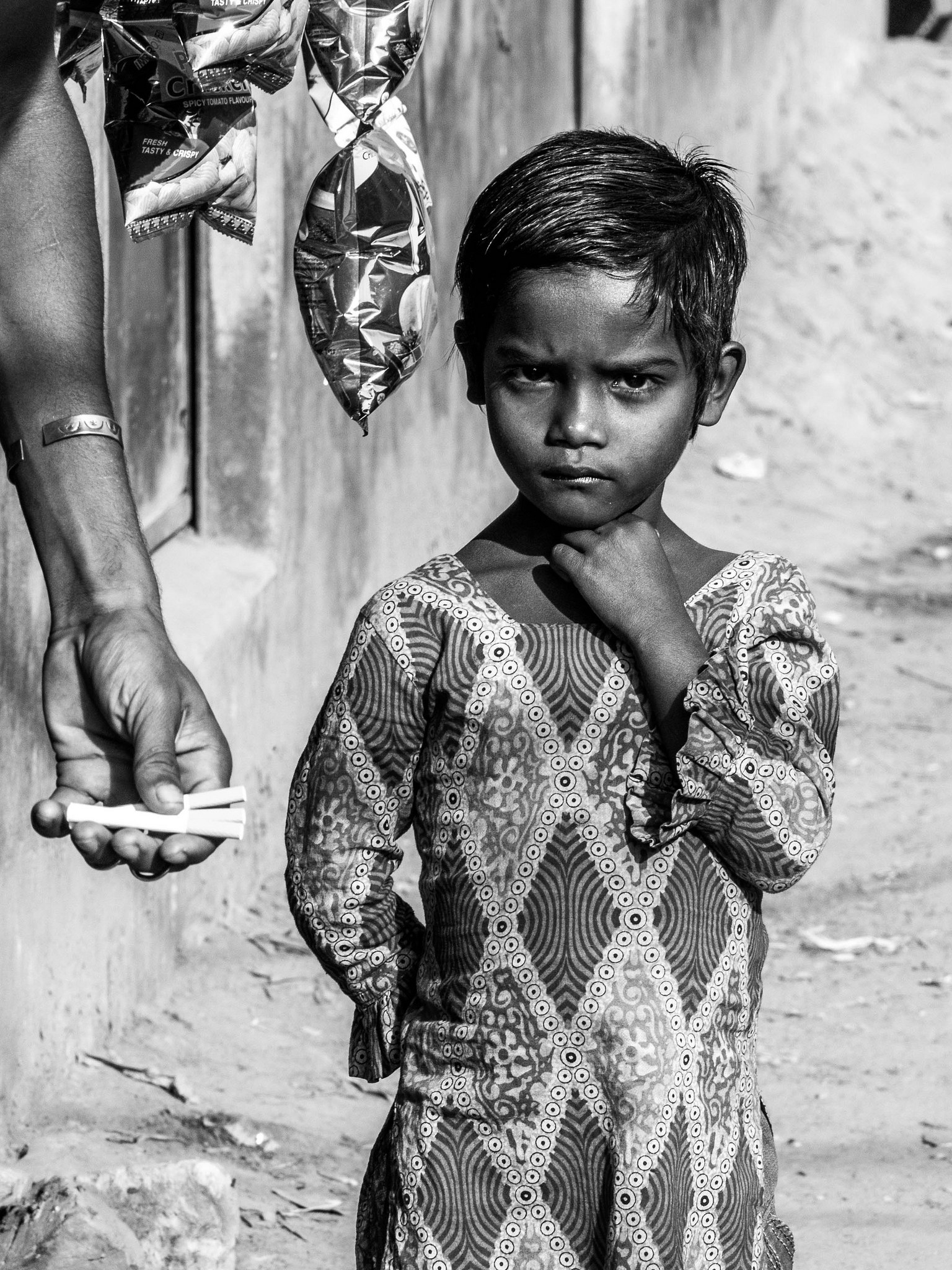
    32728845615_960e796b93_k (1).jpg
    Boatyard child, Bangladesh

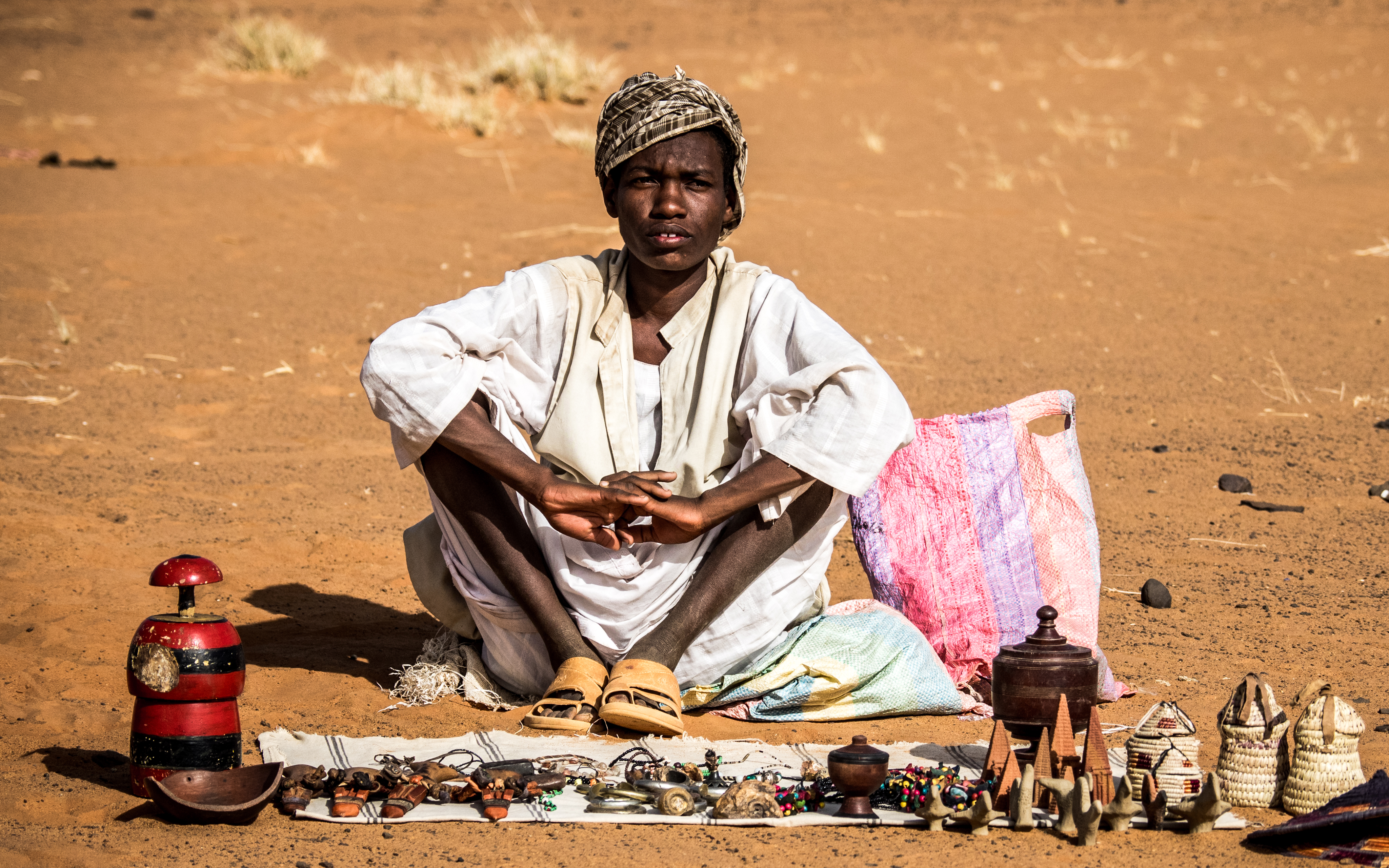
    I find one of the most satisfying elements of my own photography is taking street portraits in far flung areas of the world. Ostensibly, I like to think that this is, like the eighteenth century topographical photographers, my way of sharing how people live in different parts of the world, particularly to friends back in the UK who rarely travel. However, apart from the “click like and keep scrolling” effect, I wonder whether or not this is just contributing to what has been described as “compassion porn”.

    33399730462_4c8a90a95b_o (1) (1).jpg
    Vendor, Meroe, Sudan

    I do not doubt that photography still has the power to affect social change. However, in the deluge of information that characterises contemporary life, I don’t think it has the power to shock and thus to create lasting change anywhere near to the degree that it once did.

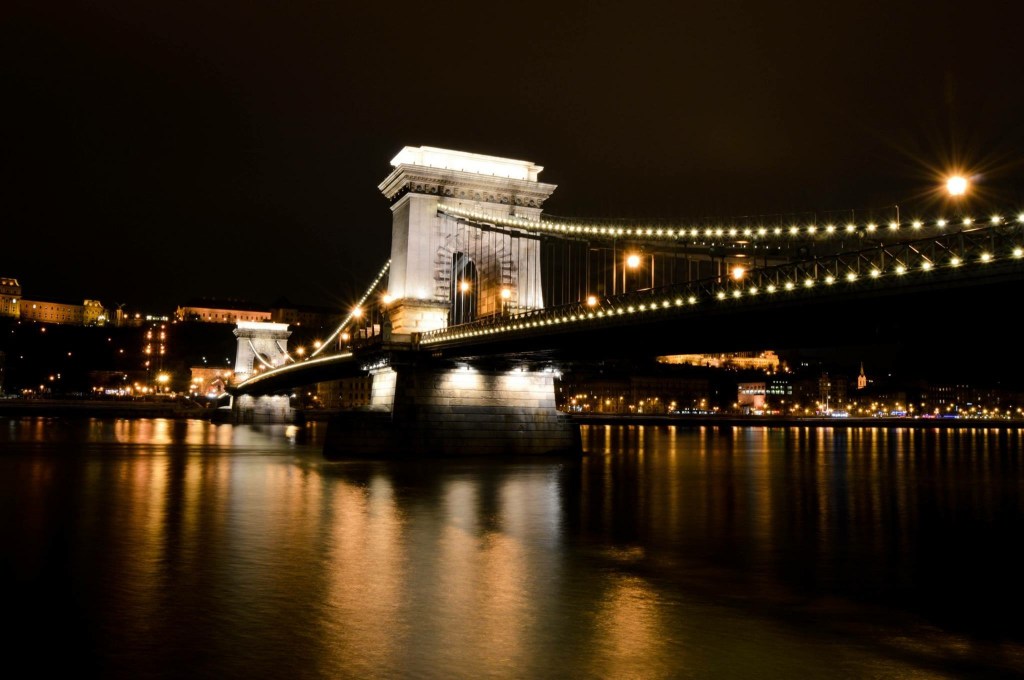
  • The historical spread of photography in the latter half of the 19th century, for me, very much mirrors what has been happening since the popularisation of digital photography and the use of social media for sharing said. Initially, the popularity of landscape and topographical photographs allowed as small number of photographers to visit new places and transmit the likeness to those who may never otherwise witness such places. Now, we see a mass popularity of people traveling themselves and sharing the images. This democratisation of the process of travel photography has also led to a fair degree of homogenisation. I have experienced this first hand, given that it was travel that first made me think about photography. For example, several years ago I spend a month or so in Budapest. The city itself fast became one of my favourite places. At that time, photography was very much a by product of my love of travel (whereas I would now say that I travel primarily to photograph). The pictures I made that summer were almost entirely informed by other pictures I had seen in travel guides and on the internet. I was particularly proud of the famous (i.e. cliched) picture of the Hungarian Parliament building by night.

    542C8553-7180-478D-A4F7-DD35A4C7FC9A

    6E1F04C6-0628-453A-A09D-D678D2E8E8CD
    Budapest – the karaoke version

    A few years later, I returned, this time in winter and with a year or so ‘serious’ interest in photography behind me. Instead of photographing the famous landmarks, I tried to capture how the city felt to me.

    IMG_2362.JPG
    Budapest in February
    IMG_2363.JPG
    Erkel theatre, Budapest

    The downside here is that the resulting shots (though I feel they were successful in their aim) were very much a personal record of my visit and my reaction to the place. As I am also a musician, the best analogy I could think of is the difference between karaoke and songwriting. My ideal, then, is photography that captures the feel (I hesitate to use nebulous words like ‘soul’) of a place that may inform the viewer about the actual place, rather than just my personal impressions of it. Somewhere in the middle – both mirror and window. This, for me, is what makes successful travel photography. As to what exactly that consists of, this is something I hope to explore over coming weeks.