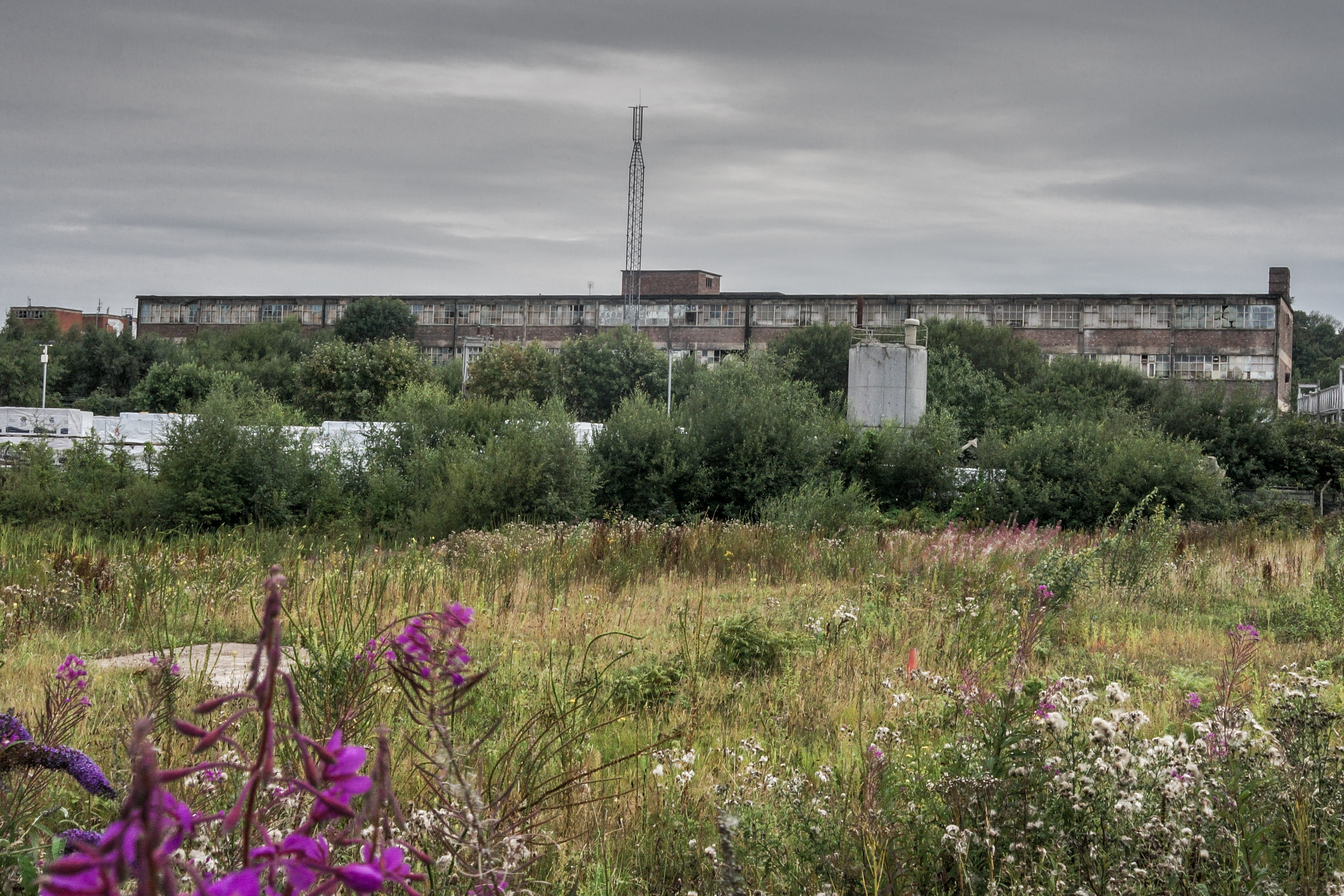
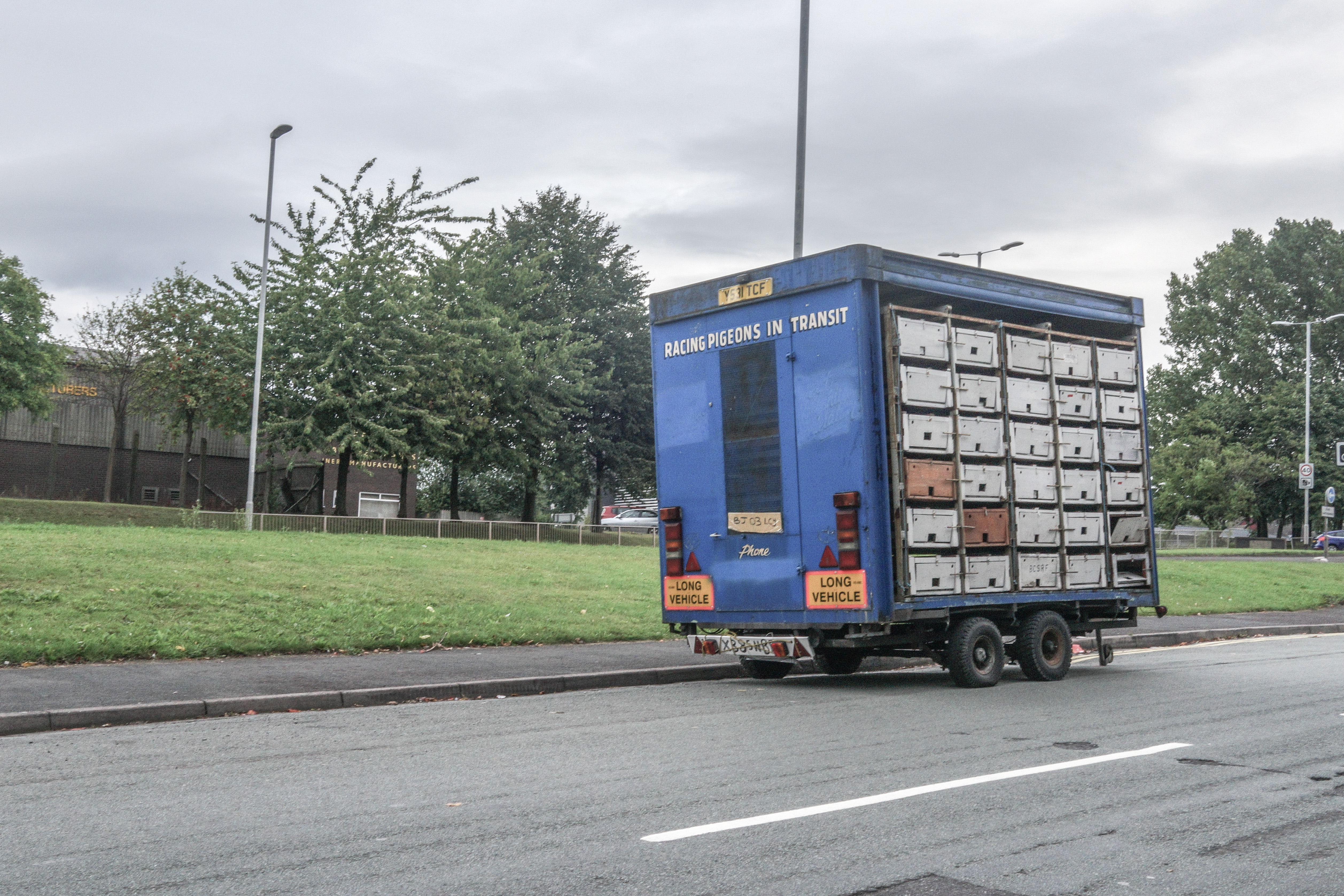
• Week 1: 7 photos project: due to an incredibly busy start to the new term (new principal want to shake everything up) much of this had to be done on the hoof. Or was that the intention? Cue several not particularly interesting photos of my everyday life. Was more than slightly awed by the quality of the rest of the cohort’s responses. I suppose that’s the difference between professional photographers and me… Impostor’s syndrome kicking in!


    Week 2:  

    Mission Statement: I am a photographer based in the Middle East whose areas of interest are travel, and documentary photography covering cultures of the Middle East and Asia, as well as fine art photography looking at life in the United Arab Emirates. I have covered subjects as diverse as the ship breaking yards of Bangladesh, the semi-aquatic life of the inhabitants of Tonle Sap lake in Cambodia and how tourism affects the inhabitants of Meroe, Sudan. I am primarily interested in the things that humanity shares as well as the myriad ways in which different cultures manifest their uniqueness.

    Product: travel images incorporating landscapes and the people that inhabit them. Most importantly, images that go beyond what the average visitor may encounter, and seek to depict what every day life is like for people in many different corners of the globe. These images are suitable for publication in both print and on the web and can be used in conjunction with written reportage (which I can also provide if required) or independently as images only. I can also provide prints of exhibition quality.

    Market: With my current series, produced as part of a Master of arts program, I intend the images to be sold as prints and to form part of a book with accompanying text. I would also be available to conduct workshops and photographic tours of Dubai and its surrounding areas.


    Week 3: Image virus

    I loved this challenge. Though still hard pressed to find time outside of work, I set up an Instagram account for @deadhandphoto and an email address. I used a photo of the hand of a mannequin which appeared to be grasping a card for a beauty salon – a ‘found’ (in Dadaist terms) concoction from the disposal area at school. I printed out cards with the picture on the front and the email address on the back, which I left wherever I went in Dubai (always cautious of the stringent local laws against touts leaving cards for ‘massage parlours’ on car windscreens – a bane that anyone who has lived here will recognise). I also published the photo in a few configurations on the Instagram page. Then I used the advantage of the fact that I work with large numbers of teenagers to get the word out. Within an hour of my 6th form literature lesson, the account details had been passed through their friends via Snapchat and other similarly (to me) arcane ways. I also followed the slightly cynical course of following whomever Instagram recommended. I ended the exercise with ten times the thirty followers that had been suggested.


    Week 4: A Marketing Plan

    This was another activity that pushed me so far outside of my comfort zone that I kept putting it off until it was too late to post – though I did nevertheless do it…

    Objectives:

    • To raise my profile as a photographer in the UAE
    • To become part of the Dubai photographic ‘scene’
    • To develop my social media presence on both Facebook and Instagram
    • To sell at least one print

    Strategies:

    • To approach a gallery owner or director in Dubai
    • To start a portfolio to be used for promotional purposes
    • To be active in a Dubai-based photographic society
    • To approach coffee shop managers as a possible outlet for exhibition and raised presence
    • Comprehensively update my portfolio website


    This is scary stuff! Particularly in light of the incredible plans posted on Canvas – I really feel I need the tentative steps first as I am not a professional photographer and I do not know the market here in Dubai yet – that is actually the main objective.


    Week 5: Networking:

    My networking  was spread out a little further than a week as I was travelling in Ukraine for a while, but:

    • 1) Joined the Dubai chapter of the RPS
    • 2) Took place in an exhibition with a local photography group – the Shutterbugs
    • 3) Took part in a guided photowalk over Diwali with the director of GPP – a major Dubai gallery and creative space

    The RPS seems like a good group, with many talented photographers. I will continue to attend their meetings and gatherings with the next one being in two weeks’ time.

    The Shutterbugs group are numerous and enthusiastic and I will keep up with them the best I can.

    Mohamed, the director of GPP is a valuable contact to have made and a really nice guy too.

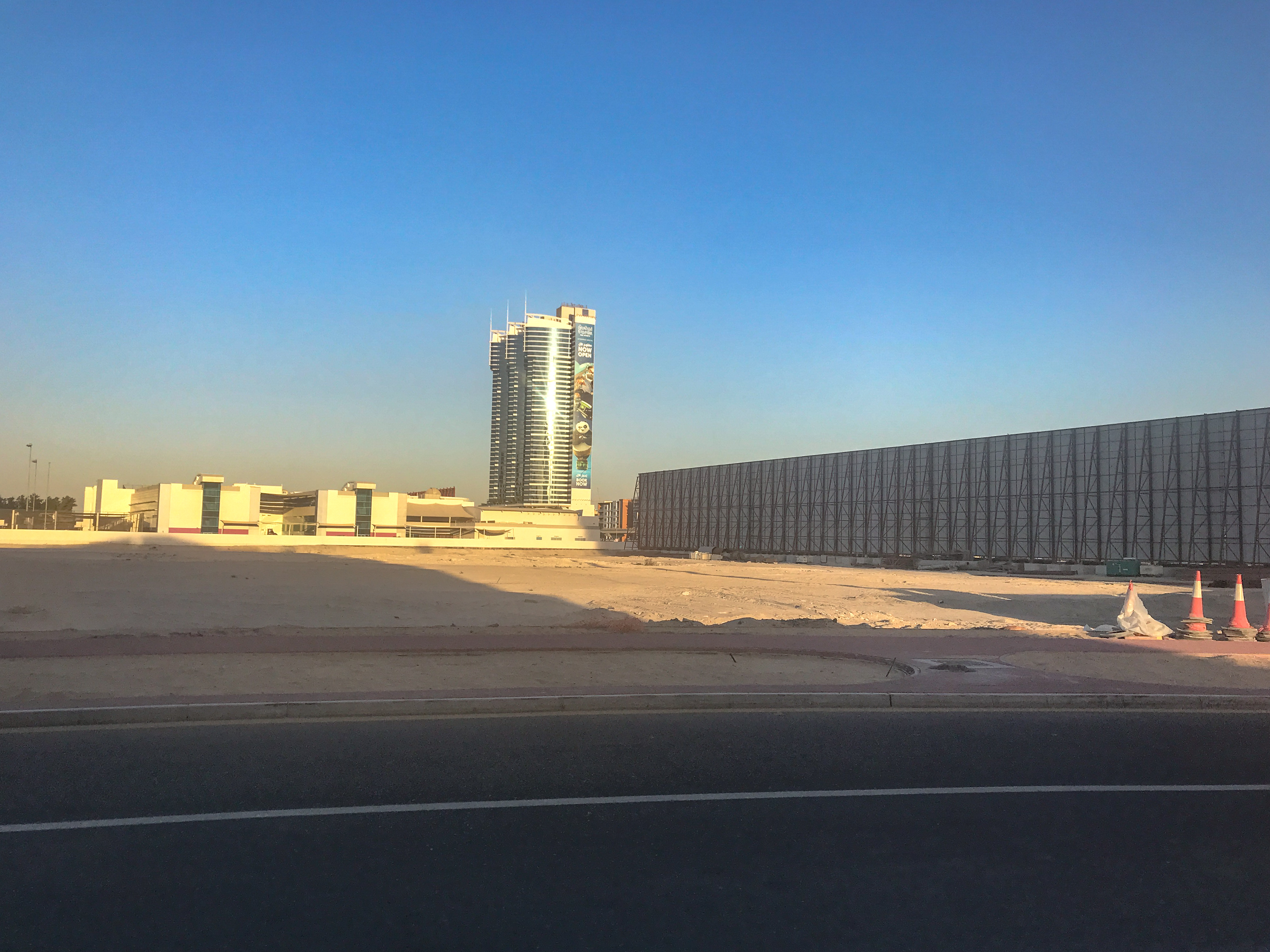
    The main assignment was another very scary one as I hate talking to strangers. In the end it was a combination of serendipity and (slight) cheating that got me through, albeit a week late. I had been taking more pictures in the Al Sufouh area of Dubai which combines some old-fashioned (ie 1990s) Emirati housing with a scattering of new developments. I bumped into somebody I already knew, albeit very, very vaguely and undertook the assignment from her point of view.

    IMG_2169
    I used to have a view of the Burj Al Arab from my living room. Now I have a view of this building. It’s a new building. I have to close my curtains now.
    IMG_2175
    They renamed this area Sufouh Gardens. Problem: there are no gardens. At all. So now they are planting gardens.
    IMG_2183
    This long advertising board stops it being noisy. We are right by the Sheikh Zayed Road but hardly any traffic noise.
    IMG_2184
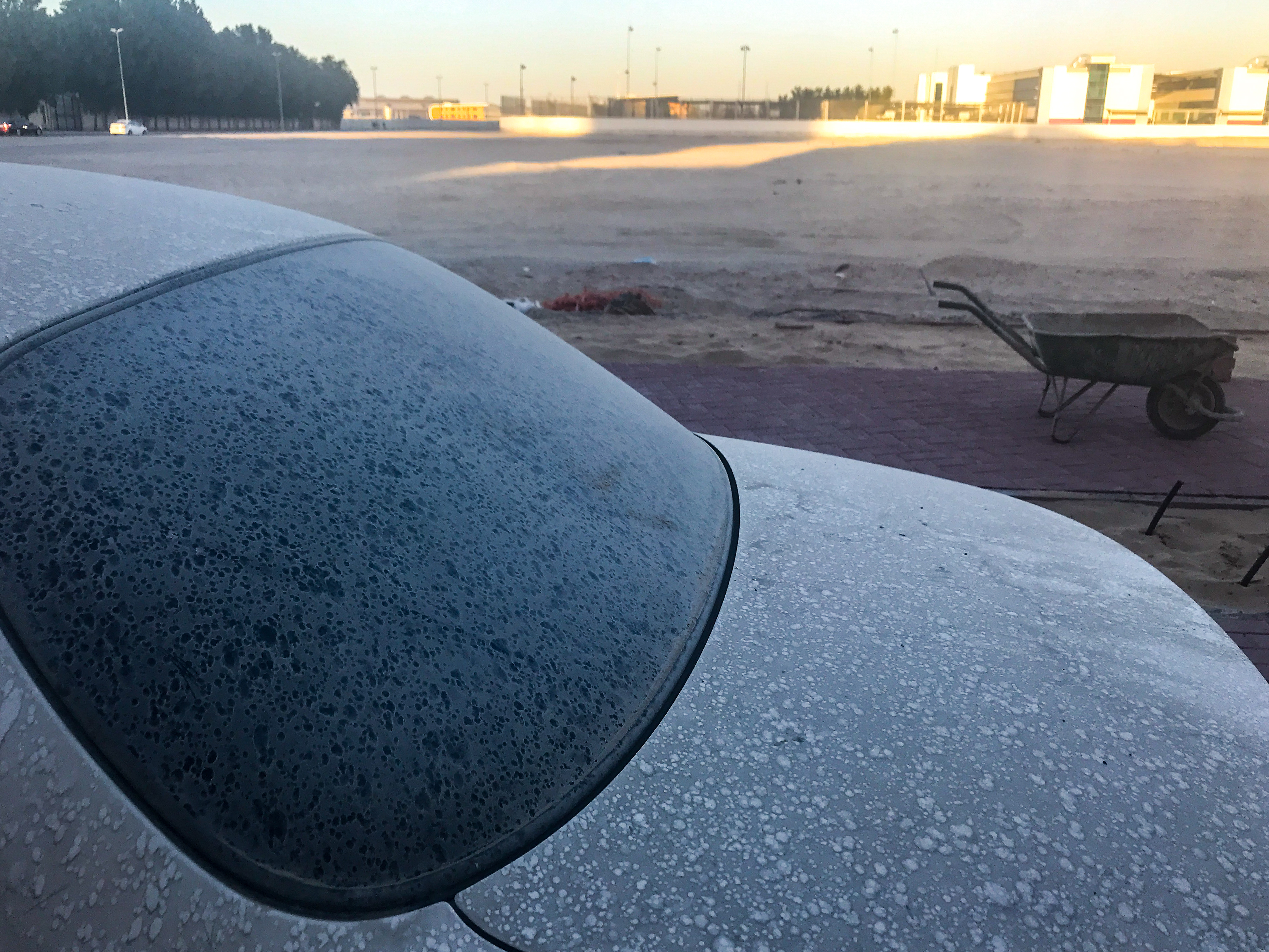
    It’s still very sandy here. Not quite gardens yet! Still a desert. If you leave your car outside for any time like if you go away, it looks like something dug up from Ancient Egypt or somewhere.
    IMG_2186
    We are right near the Marina and all the tall buildings there, but it’s still quite quiet and spacious here. At the moment. Though there are lots of new buildings going up.


    Week 7: 

    I was travelling through Ukraine for most of the last 10 days. However, before I left, I was involved in an exhibition through the Dubai chapter of the RPS here in the UAE. The arrangement was that each member would pay 900aed (about 180GBP) and submit 4 tiff files. The RPS then arranged printing framing, hanging and refreshments for the opening (below)

    IMG_1339.JPG

    Each print was offered for sale for 700aed (about 140gbp) which would be split 70/30 with the RPS. However, as we warned beforehand, the market for photographic prints in the UAE is weak, at best, and despite me choosing what I felt were the most commercially available (for Dubai) shots, none sold. However, after the exhibition ended two days ago and I brought the prints home, a visiting friend offered me 500aed for one of them. So that’s a hundred quid and my first ever sale…

    In retrospect, the RPS and affiliated group, though wonderful people, are probably not the best way forward in terms of anything more than possibly making my presence as a photographer known and joining field trips to look at different aspects of photography in Dubai. From Sarah and Krishna’s feedback on the exercise, I have ordered business cards for any such future exhibitions and will spend more time in Alserkal Avenue (other than at GPP) looking into prospective markets/outlets/openings.

    I found the main task very difficult indeed – at first I had no ideas whatsoever, an then I only had the ideas that others had published. The audience I would want to reach would be those with an interest in art and, specifically, photobooks. This is a very narrow group in the UAE and I would need to look at digital publishing and internet sales. However, this doesn’t seem to lend itself to physical printing. Ideas that occurred were postcards, business card-sized prints and bookmarks. Postcards would stand the possibility of being lost among so many other postcard-sized media, flyers, inserts etc. I liked the business card idea, possibly based on the back of the viral photograph exercise, but again, the actual distribution could prove problematic with general distribution being illegal (thanks to the millions of massage parlour cards left on parked cards every day). Bookmarks may make an impact in the environment in which books would be sold, but again the UAE is not known for its grand reading habits (I always say you can tell the soul of a place by the distribution of shelves in the local bookshop – here the business section is the same size as the rest of the bookshop put together) and with a largely transient population, e-readers are very much the medium of choice. In the end, I decided that when I am in the situation to have a product to promote, I will look into cards and bookmarks; though at the moment costs would be too high without a final product.


    Week 8: Another interesting and challenging assignment, given my extremely limited involvement with the commercial side of life.

    Daniel Simon

    PO Box 6446

    Dubai

    United Arab Emirates


    Estimate for 25 images (printed; social media; web use; outdoors media), 5 years’ usage.

    All prices in GBP, exclusive of VAT and required permits.


    Shooting fees (2-5 days, weather depending)                                                        4500

    Assistant (2-5 days)                                                                                                    2000

    Travel                                                                                                                            500

    Vehicle rental                                                                                                                250

    Accommodation                                                                                                            700

    Lighting rental                                                               5 x 250                                   1250

    Planning and recce                                                    0.5 x 900                                     450


    Post production                                                                                                              450


    Usage fees                                                    5 years @ 500 p.a.                                 2500


    Total                                                                                                                             12600  

    Ultimately, I am not sure how much practical use this is to me given the state of my current practice, but it was nevertheless very interesting to see the actual breakdown of  a professional shoot for a client.


    Week 9: 
    My website

    My Facebook page

    My Instagram account


  •  

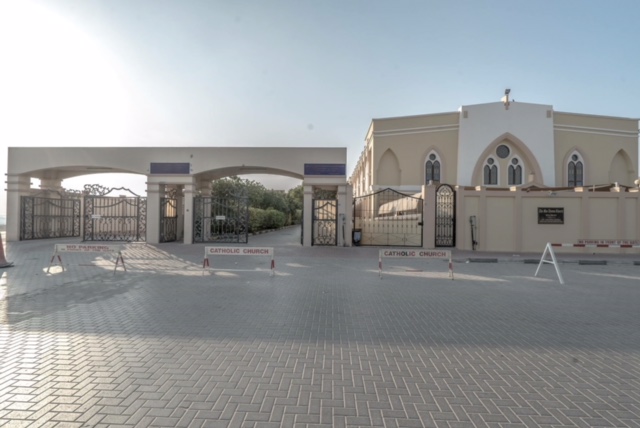
    Week 1: I made an attempt at extending my psychogeographical survey of Dubai this week by traveling to the Jebel Ali neighbourhood which has a number of places of worship for non-Muslims. I managed to get a few shots of the Catholic church and the Sikh temple before the 45 degree heat and 95 % humidity laid me and my cameras low. I have decided to adopt a uniform desaturised look as a) it will defamiliarise many with the Dubai they know through the media or tourist visits and b) this is how Dubai actually feels outside of the centres of steel and glass skyscrapers. Though I am happy with the pictures, I have some concern that they look similar. Although this is an integral part of my initial thesis – that much of Dubai is architecturally homogenous though culturally diverse, the concern now is that I will end up with a number of pictures that look extremely similar whilst relying on knowledge of the subject matter to create meaning. IS this feasible within a fine art context?

    IMG_1105
    Enter a caption
    IMG_1109
    Catholic church, Jebel Ali


    Week 2: Again, still too hot and humid for any extended photography


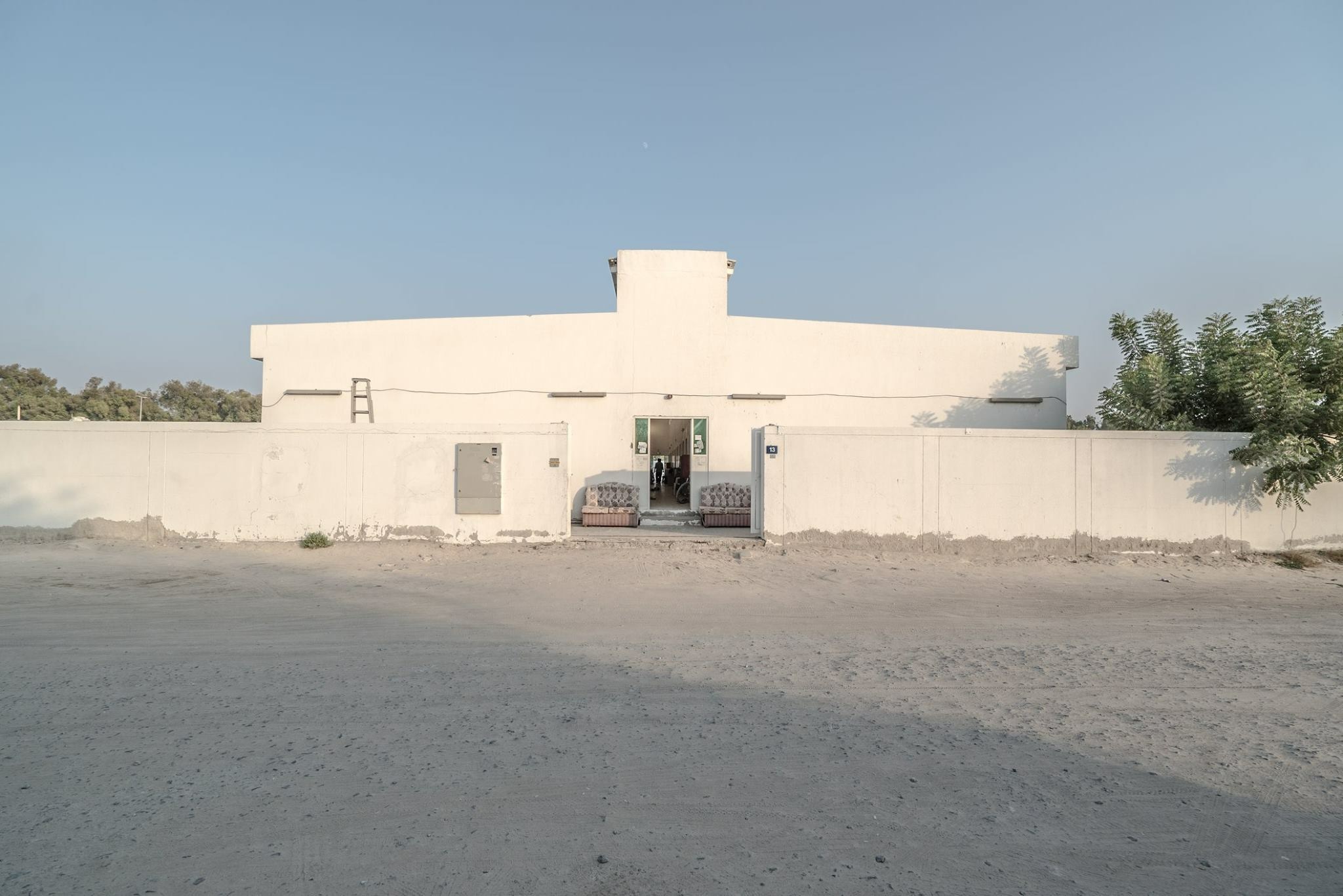
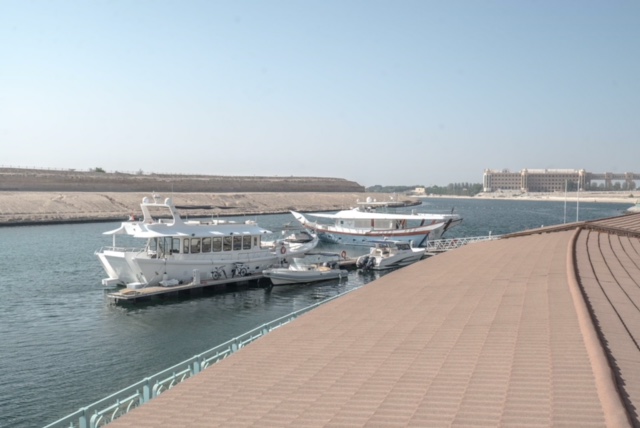
    Week 3: Still hot and sticky butI managed a brief, successful foray into the Al Sufouh neighbourhood which has pockets of traditional Emirati life within the bustling, modern metropolis. I have photographed the date farm there on a few occasions and will no doubt go back more than a few more times to get similar shots in different conditions. I also got a shot of the marina in Ghantoot which is noticeably different from Dubai Marina or JBR marina – a couple of questions raised here – Ghantoot is actually in Abu Dhabi emirate, though closer to Dubai city – does this count? Also, would side by side pictures of the received view of the UAE and my view be necessary?

    IMG_1104
    Traditional Emirati social club, Al Sufouh
    IMG_1106
    Ghantoot marina


    Week 4: Thinking more about where other cultures spend time outside of work and worship, I started thinking about what defines cultures. The main ideas that cropped up were language and cuisine, and the latter is more clearly suited to a psychogeographical survey of how cultures imprint themselves on their environment. With the weather still a problem for extended shooting, I managed to drive around the Al Barsha area and up and down the Sheikh Zayed Road – the main artery through the city. Although I was pleased with the results in terms of my project brief – all three clearly show a different culture imprinting itself on the otherwise homogeneous architecture of the city – they are not the most interesting pf photographs. So will consider adding photographs that include a human presence.


    Week 5: Some pictures used for the networking assignment may find their way into my portfolio. However, these show (provided subtitles are there) an individual response to the changing fabric of the city rather than a cultural one.

    IMG_2186
    Al Sufouh at sunset

    However, the fact that this neighbourhood is a rapidly changing one with a combination of new developments and traditional Emirati housing, and that it doesn’t have a clear cultural footprint as of yet mark it out as somewhere worth keeping a photographic eye on and somewhere I will continue to visit over the coming months.


    Week 6:

    My presentation

    Week 7: Following feedback from Paul, I am now looking at a less psychogeographical approach. As I suspected, many photos of homogeneous architecture, though possibly meaningful, are not very interesting. At all. Consequently I have been trawling through other recent photographs with the view of changing my genre from fine art to travel/documentary and broadening my scope beyond Dubai. I have many good photographs from a weekend trip to Chittagong in Bangladesh and more from another weekend trip to Sudan – both of which I feel are far enough off the beaten track to be of more than general interest. This may change my target market from galleries and photobook publishers to magazine editors, and thus change my project to a portfolio. I have collected together photographs from the last few years to create a printed portfolio/book covering 20 countries and another covering portraits from across the globe. I shall collect these when I am back in the UK over Christmas.

    Week 7 work in progress portfolio


    Week 8: Though I am content that I am on the right track with the move towards travel and documentary photography, a conversation with Krishna confirmed that I required more balance in the work I was presenting. She suggested equal numbers of either three or four photographs from each country featured. A quick reorganisation and I have two alternatives.

    Week 8 work in progress portfolio 1

    Week 8 work in progress portfolio 2

    Of these, I prefer the first – I think four photographs is a minimum to get the feel of a place. Ideally, I would have chosen four sets of five photographs each, but would have exceeded the 18 photograph limit.


    Week 9: Disaster! Looking at the assessment criteria for the portfolio, I noticed what now seems really obvious – that the photographs making up the portfolio should have been taken since the start of the module. A quick reassessment of what work I have done in this time shows that, apart from a few days in Ukraine, I have been in the UAE for the whole time, thus scuppering plans for an international portfolio. Luckily, I have managed to see and more importantly photograph a lot in the UAE in that time. Thus I have chosen to depart from my initial UAE-based project, of looking at how different cultures present themselves here, to concentrate entirely on how Emirati life is a blend of the modern and the traditional. Had I been smart enough to have read the criteria right at the beginning of the unit, there are many more shots I could have gotten – I have some good shots of the bull fights on the north coast (a weekly event almost entirely unknown to anyone other than locals) and of Bedouin encampments close in to city centres, but alas all were taken before the start of the unit. Naturally, should I decide to continue with this project then I will include such photographs. But for now I have managed to put together a collection of photographs that I think adequately extemporise on my theme. Though rather a lot of them seem to feature camels as I visited the camel races last weekend (another almost entirely local enterprise). I decided to intersperse the camel shots through the portfolio, but will seek guidance in the tutorial on sequencing as I am fairly sure that this won’t work particularly well.

    Week 9 work in progress portfolio

    I am relatively happy overall with the direction though I still feel there is a little bit of a throwback to the earlier, uh, less interesting shots of buildings. I really like the shot of the Emirati social club (an ancient building in these parts, dating as far back as the 1980s).


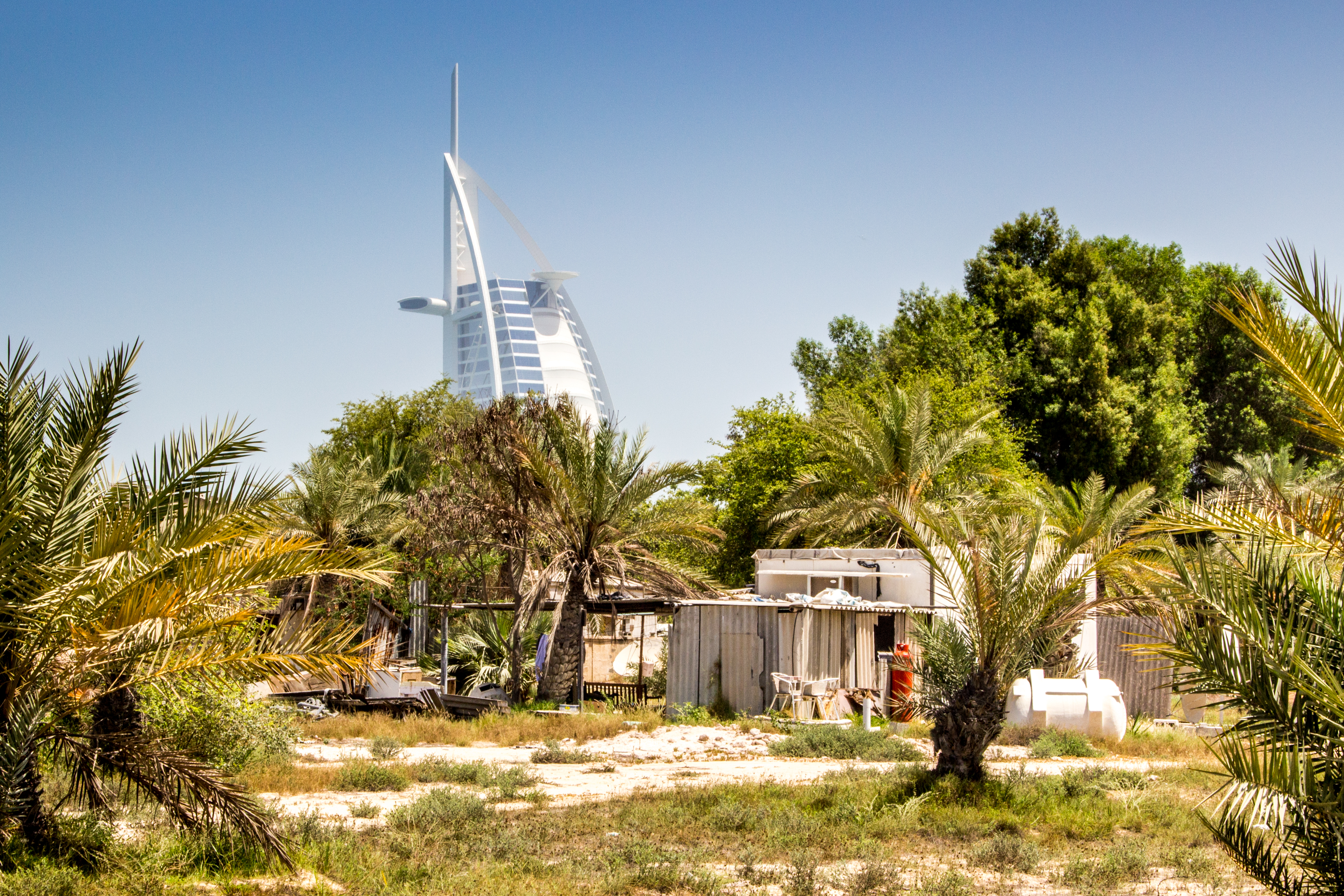
    Week 10: Feedback from Krishna confirmed that there were just too many damn camels. Her advice was to limit the camel racing shots to three or so. For the rest of the shots, I have tried to show three aspects – the traditional Emirati life, modern Dubai and the places where it intersects. The shot I am happiest with is the one of the date farm in the shadow of the Burj Al Arab – I have taken this same photograph so many times, at different times of day and year and in different lighting conditions. The most recent shots, from three weeks ago, are the best yet, but I will keep returning as I am still not 100% happy with the lighting. I am also very fond of the shot of the Emiratis in the cafe taken from above. Much as I hate visiting malls at the weekend, sometimes it pays off. The one thing I am not happy about, and the reason that I will keep looking for a similar shot, is that it was taken with an APS-C camera with a fixed 28mm equivalent lens. It’s a wonderful camera and it fits in my pocket (which is why I had it when waiting for a friend at the mall) but the picture is a very, very tight crop so the resolution is not what it could be. Something that Krishna mentioned was that I should aim to choose the ‘grittiest’ shots from the camel races. This set off a whole new string of revelations. Well, one revelation, but a big one. I have been relying on the novelty of places and events such as this rather than looking for the drama or tension. Consequently, I picked the three shots that I feel show some sort of tension or, in the case of the shot taken at the starting line, a degree of visual dissonance, in this case between the lower legs of the men and the upper shadows of the camels. I feel that many of the other shots are also reliant on a degree of novelty, or would require explanation. Which I now think makes something of a failure as a photograph. Perhaps it is because I come from a background of writing that I am unconsciously looking to portray a moment in a story rather than an image that tells a story in its own right. This is definitely something I will carry forward into future practice.

    The other question (and it’s another biggie – specifically given the subject matter of this unit) is what is the aim of these pictures? Where will they go? First of all, I think that when the series is completed to my satisfaction, I will contact the GPP gallery here in Dubai. I have also identified the Phocal Media agency as a possibility worth contacting. I have a meeting with the manager of a coffee shop that doubles as a gallery – part of a very successful and popular group, about displaying photographs there – in this case a series of 6-10 images. I am also interested in linking my photography with my writing. My father is a travel journalist (and sometime photographer) and I will be asking him about contacts when I next see him at Christmas.

    Daniel Simon Unit 2 work in progress portfolio


  • Week 1: The look into other photography careers was extremely interesting, especially as much of the primary photography industry, as far as I can see, does not greatly interest me. As I am now comfortably in my mid-40s, the idea of becoming a photographer’s assistant – whilst certainly alluring in terms of an apprenticeship, may be a little beyond me now. Rather the idea of teaching photography does interest me, having been a teacher for the past 20 years. Certainly, within my current job teaching literature to 16-18 year olds I will look into teaching photography as an after school activity, perhaps starting next academic term.

    Scott Grant’s division of professional photographers is also very interesting and something that I will bear in mind as I proceed through this course. At the moment, the idea of working as a photographer for clients is fairly alien to me, which is not to say that it is something that I would discount entirely – far from it. It is just so far outside my comfort zone that it may take quite some time to assimilate.


    Week 2:  I found the content this week both fascinating and somewhat threatening: other than a not-particularly-successful 18 month foray into the world of advertising some two decades ago, my life has been spent entirely in, and at one end or the other, of education. Thus the idea of the business world can be a bit frightening.

    The three photographers mentioned interested me greatly – I found Harley Weir‘s work highly stylised and incredibly beautiful; Maisie Cousins‘ work made me a little uncomfortable in its physicality. Richard Mosse I had come across before – my initial response being (and as such indeed underlining the point that the vodcast made) that his use of infra red photography in war reportage was a gimmick designed purely to make him memorable; however, on reflection (and on further reading) I began to see the point of what he was doing. And, indeed, the undeniable beauty of the images. Though there is still a remaining question of whether or not they trivialise war. Or whether or not their unusualness forces us to stop and look at an image amongst the bombardment of war images in modern media provides. Definite food for thought there. And something I have taken from that is to try and consciously develop a unique aesthetic as I progress as a practitioner. Currently, my favoured aesthetic of start, depeopled, unsaturated landscape images is very much after the fashion of  “Remote Americana”  (often large format) landscape photographers such as Edouard Sepulchre, Jason Lee and Scott Behr. So what is it that makes the UAE feel different from the Western states of the US? And how might that show?

    The idea of the business mind still scares me though. I ended up putting off the exercise regarding the mission statement for so long that I didn’t actually post it. And that was because I didn’t even want to think about it… Especially in an unremittingly business-tinged country like the UAE. Which also brought the question that as a photographer in the UAE, where do I stand in terms of fine art or documentary photography? The few photographers I have met out here are fashion or product photographers. There is no university offering fine art degrees as far as I can find. There is only one gallery specialising in photography as art, rather than purely as saleable product (by which, again as far as I can see, involves Athena-like poster prints of skyscrapers at night and camels and their bedouin owners in pristine deserts).


    Week 3: This week was by far the most interesting and exciting so far. The viral image challenge was great fun, but the supplementary reading resonated on a different level. Apart from already enjoying Kieren Hebden’s music, his interview with Jason Evans reminded me of what I love, not just about photography, but about art in general, and artistic thought in its broadest sense. In particular: “The kind of photography I like was never intended as art. The kind of music and artwork you’re describing were never intended as art” (1). I immediately ordered the photobook under discussion; sadly I won’t be able to get to it until I return to the UK in late December. However, what interested me here was the idea that the traditional forms of and markets for photography are rapidly changing. I loved the concept of photography that interacts with music (OK, not a mind-blowingly original concept) and that one project could take several forms – in this case interacting in a physical book with written text and digitally with music. As a keen writer of both words and music, this is an avenue I very much want to explore.

    My own Instagram feed is entirely photography based, but fairly scattershot in its approach. Having read more this week about the idea of site-specific content, and having seen the effect of this week’s challenge, I will consider starting another (more aggressively promoted) Instagram account once I have more clearly defined project content.

    The extract entitled Into The Digital (2) was interesting again – along with the idea of non-traditional forms of creating and displaying photographs, the idea that we should no longer consider the photograph as its analogue precursor, but instead a digital and thus infinitely reconfigurable construct is not a new one, but it is also one that up to this point I had not considered relevant to my own practice. Now, I wonder: can the idea of a reconfigurable construct of reality have any kind of role in documentary photography? Would the melding of the two necessarily then become fine art photography? And, perhaps more importantly, given the ripped-up-rulebook nature of how we consume photography, do such generic delineations really matter?

    Notes.

    1. Between Analog and Digital: Jason Evans in conversation with Kieran Hebden (Four Tet) from The Photobook Review supplement to Aperture Magazine, Spring 2013.
    2. Ritchin, Fred. After Photography, London New York: W. W. Norton, 2010.


    Week 4: The genres I have always felt most comfortable in are travel and, more recently, documentary photography. I also have an interest in developing my fine art photography ideas. I have always enjoyed shooting travel images – my love of photography stems from my love of travel – but have feared taking pictures of people. Consequently, I have tried to look out for the more unusual places, both in terms of actual cities or countries to visit and areas or aspects of cities or countries, to give my photography some difference from the photographic karaoke of the many, many (often technically excellent, but nevertheless) uninspired postcard shots. However, the more I have traveled, the harder I have found it to tell a coherent story about a place without photographic its people. Pretty obvious stuff, I know. The ship-breaking yards of Bangladesh are fascinating, even without people in the shots; but the whole families that live there are much more interesting. Part of the reason I wanted to take this course is to learn how to combine two of my interests – photography and art. I have no educational background in either, but am keen to learn and apply what I learn about fine art photography. The idea behind my project is that of psychogeography – something that seems to have lent itself most to writing, but which has its roots in the Letterist and Situationist International art movements of 1950s and 60s Paris. Ideally, I would like to see my work in published form, preferably alongside written content (another keen interest, only this time one in which I do have an educational background). Even more, I’d love to do something that combines personal interests of photography, art, creative writing and even music.


    Week 5:  Networking. I have long loved the idea of being part of a collective, a group, a movement, whatever you choose to call it. In other creative endeavours, I have always been at my most fecund when collaborating; even when much of the eventual output was mostly my own, the chance to work with and bounce ideas off other people improved that output. I wrote my best songs when I was in a band. I wrote my best prose as part of a workshop. Over the past weeks I have made an effort to meet other photographers – I have joined the Dubai chapter of the RPS, been involved in an exhibition with a local group called the Shutterbugs and taken time to get to know some of the people who work in GPP, the main photographic hub for the UAE. Thus far, though I have met interesting people and generated some interesting ideas, nothing collaborative seems to have emerged. However, a very close friend, the head of Art at a school I previously worked at, has a Bachelor’s degree in photography and is keen to revive her interest. I greatly admire what I have seen of her prior work and we have made tentative plans for collaborative exercises. Whether this bears any fruit beyond joint photo sessions remains to be seen, but already I am thinking about how the differences in our work might effectively show the city that we both live and work in.


    Week 7: Very interesting content and, yet again, an aspect of photography about which I had not previously thought. It would never occur to me to look for an agent as I suppose I am not interested in the type of photography that involves being booked by clients for shoots. However, in terms of progress in travel/documentary photography, it is certainly worth looking into. The most promising I have found in my local area is Phocal Media (formerly Arabian Eye) and I will certainly submit my completed portfolio at the end of this part of the course. I have also submitted several shots to Shutterstock. I would have submitted more, but the submission process is (possibly unnecessarily?) convoluted and very time consuming. I will certainly monitor this situation and submit more if I feel that it looks promising.


    Week 8: Another difficult week for me, though I did indeed learn about the different aspects of a commercial photographic shoot – having briefly been on the other end (in my previous life as an advertising executive twenty years ago, I attended a studio shoot for Ford motors) it is interesting to see what it all breaks down to. Having never been a studio photographer, what interested me then was how long it took to get the one required shot – a whole day’s studio time and (in those pre-digital days) more time once the processing was complete. I found the coursework challenging as the commercial side of life is one with which I have had limited involvement.


    Week 9: Again, a very interesting look at how this aspect of the photography industry works. The only person I have managed to set up a meeting with is the manager of Sum of Us – a coffee shop and gallery. My website needs updating and I will also develop a portfolio in line with my developing work for this unit and my change of direction to concentrate on travel and documentary photography.

    My website

    My Facebook page

    My Instagram account

    My social media presence is possibly underdeveloped – I need to update my Facebook page and perhaps be more selective with my Instagram posts. My intention is to start another Instagram account once I have my portfolio complete and a clear direction and identity.


    Week 10: I found the material this week much more interesting as photobooks and galleries are very much where I want to be aiming. The interview with Francesca Genovese was incredibly informative and, to me at least, very inspiring. This ranged from the practical advice – how to submit to a gallery and the relationship between the gallery and the photographer – to the aspirational – I love the idea of pursuing projects for interest’s sake rather than with an eye to exhibition or publication. I was also happy to hear her talk about how most photographers have an income from elsewhere. I actually greatly enjoy my ‘day job’ (as a teacher of literature) as it provides me both with sufficient funds and holidays to travel, and it is in travel that I find most of my inspiration and on holiday that I take most of my photographs. This clarified a great deal that has worried me over the course of this unit – I have no particular desire to become a studio photographer, and possibly not even a professional photographer. Naturally, though, I would enjoy a little wider audience than just Facebook and Instagram likes. Thus I am content to continue teaching for the foreseeable future (including, of course, the possibility of a sideways step into teaching photography!) whilst pursuing individual projects. I will also take Francesca’s advice on submission to galleries once I feel the projects on which I am currently working are of sufficient quality.

    The other material from this week was similarly inspirational. The article by Sean O’Hagen from The Guardian introduced  me to the work of Paul Graham, Mitch Epstein and Edward Burtynsky, though I was a little disheartened to see the latter’s series of photographs of the ship breaking yards of Chittagong as I myself have a series of photographs encompassing these yards (along with other aspects of life in Chittagong) and, of course, mine are nowhere near as good. Still, looking at the differences between the two was a learning experience in itself and I am quite tempted to go back and take another shot. The worry then, naturally, is that I would be too influenced by the master…

    In terms of possible local markets for travel photograph, there are two locally produced travel magazines, Conde Nast Taveller Middle East and Ultratravel. both of which, like much of life in Dubai, are aspirational and, though I do travel a lot, I very rarely stay in 5 star hotels and I have never even been near a private jet. One possible market might be Friday Magazine, the weekend colour supplement of one of the major national newspapers. Once I have discussed submission techniques with my father later this month, and have written up my trips to Bangladesh, Iran and Sudan, I will look to submit work to the travel editor. Of course, I am also interested in travel media further afield than Dubai I have had some discussion with my father who is regularly published by UK based travel magazines and he has identified a few possibilities which I will follow up in more detail when I am back in the UK in a few weeks’ time.

    In terms of photobooks, the main local publisher is Explorer, though the photobooks they produce tend towards the postcard-style coffee table publications, though they have published one in a putative series of books by local photographer and master of digital blending Daniel Cheong.


  • Date farm oasis Dubai
    Traditional Emirati date farm, Al Sufouh, Dubai
    Emirati Social Club
    Emirati social club, Al Sufouh, Dubai
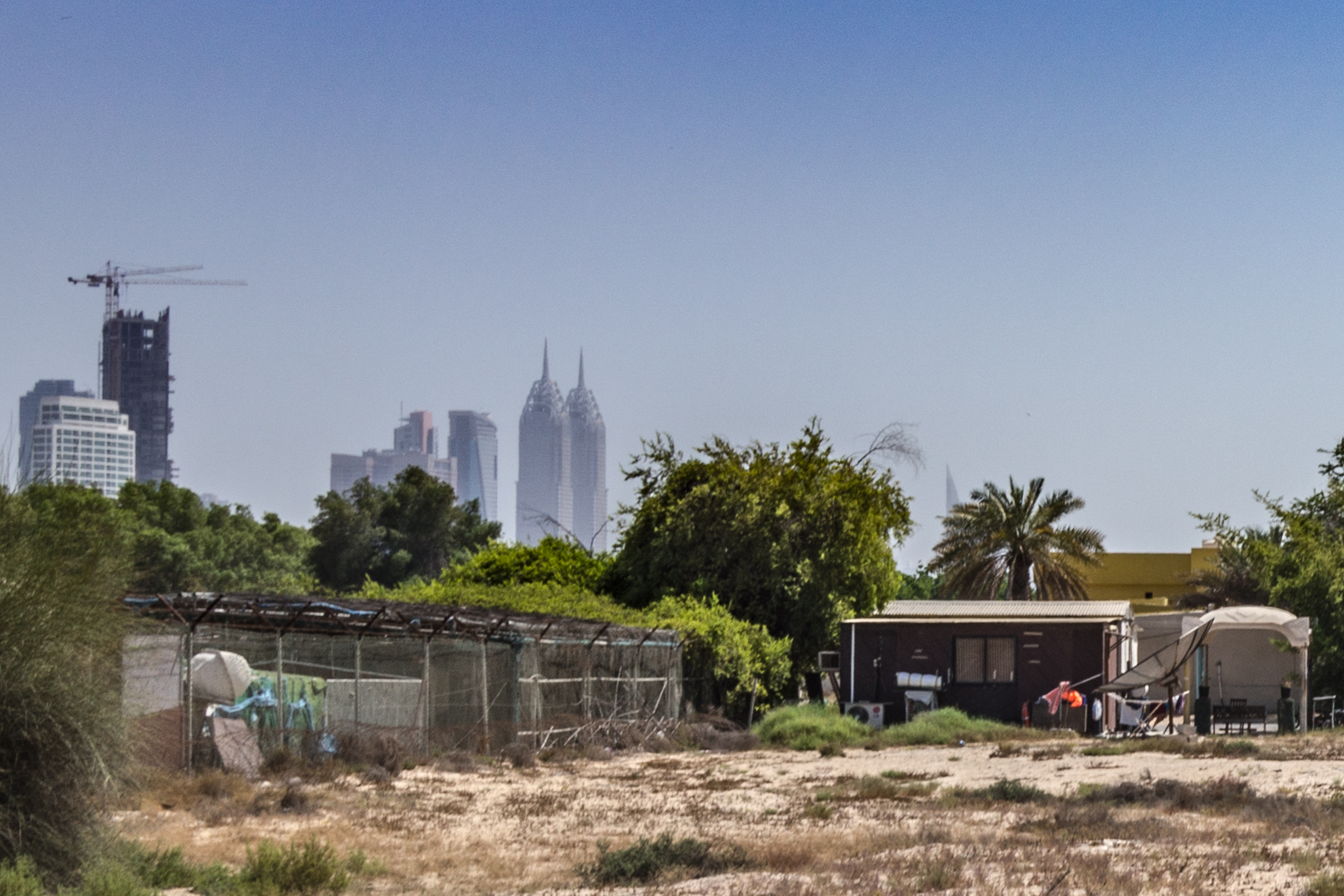
    Urban farm, Dubao
    Urban farm, Al Sufouh, Dubai
    OLYMPUS DIGITAL CAMERA
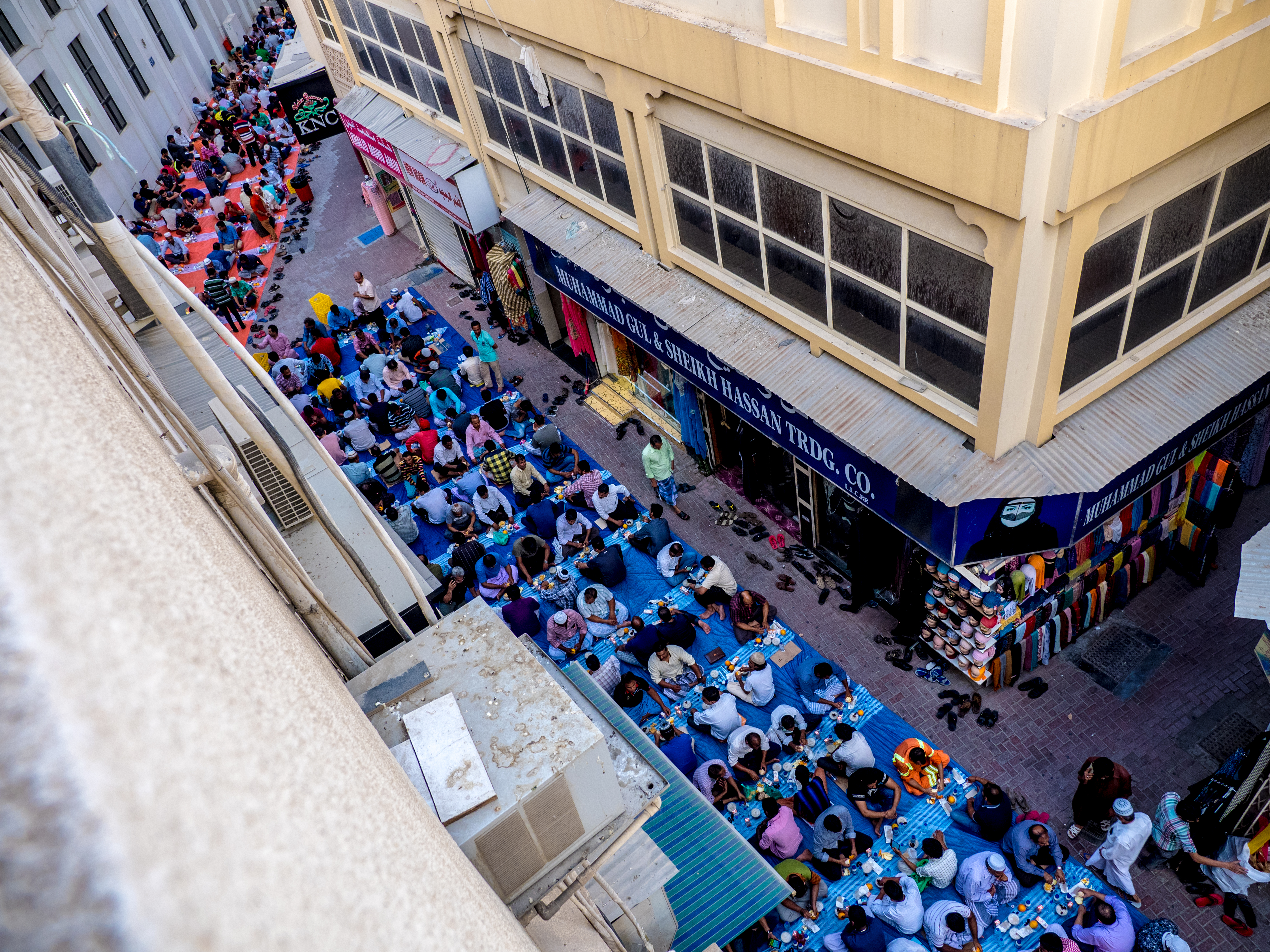
    Indian Muslim Association mass iftar, Deira, Dubai
    OLYMPUS DIGITAL CAMERA
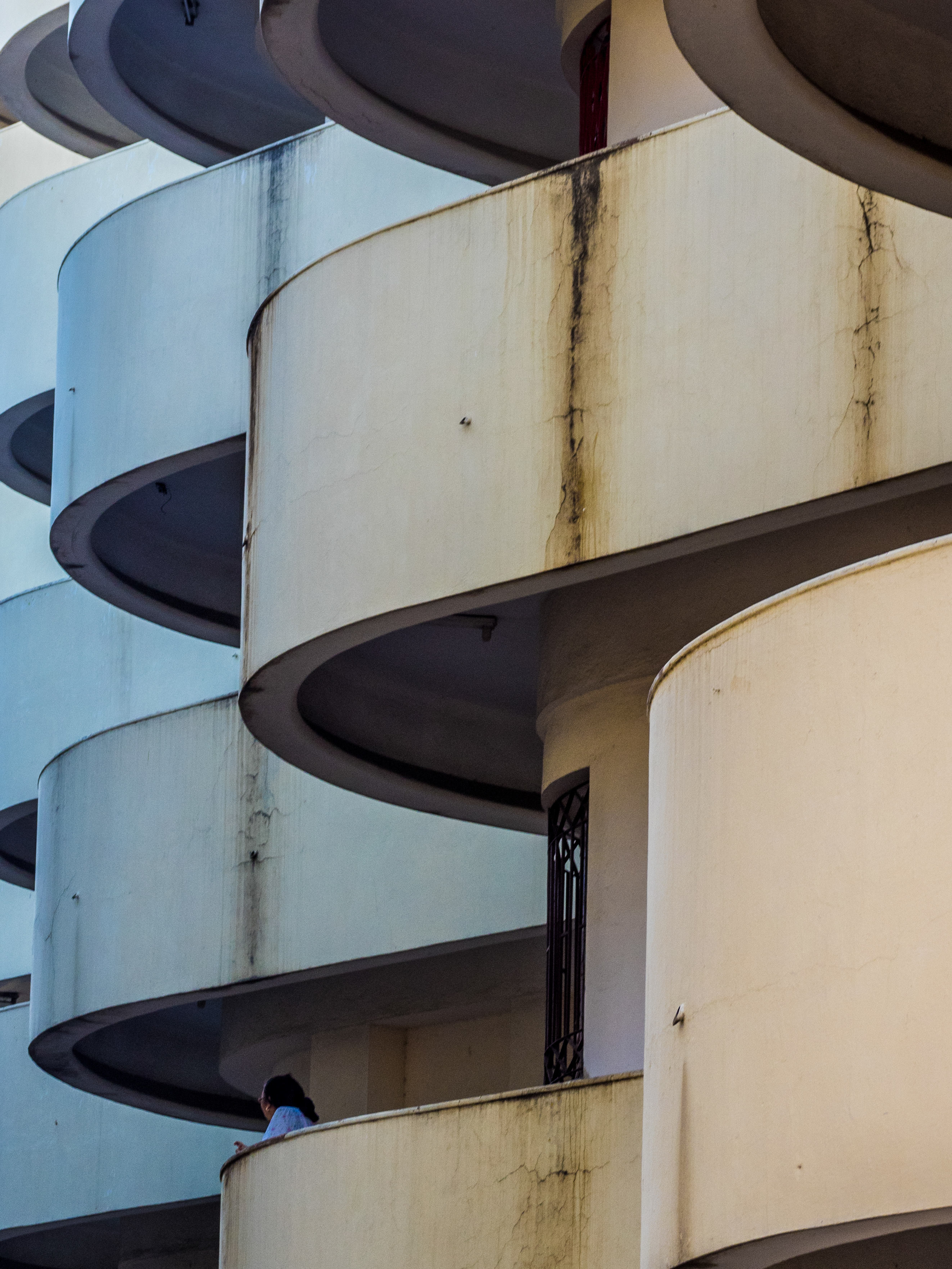
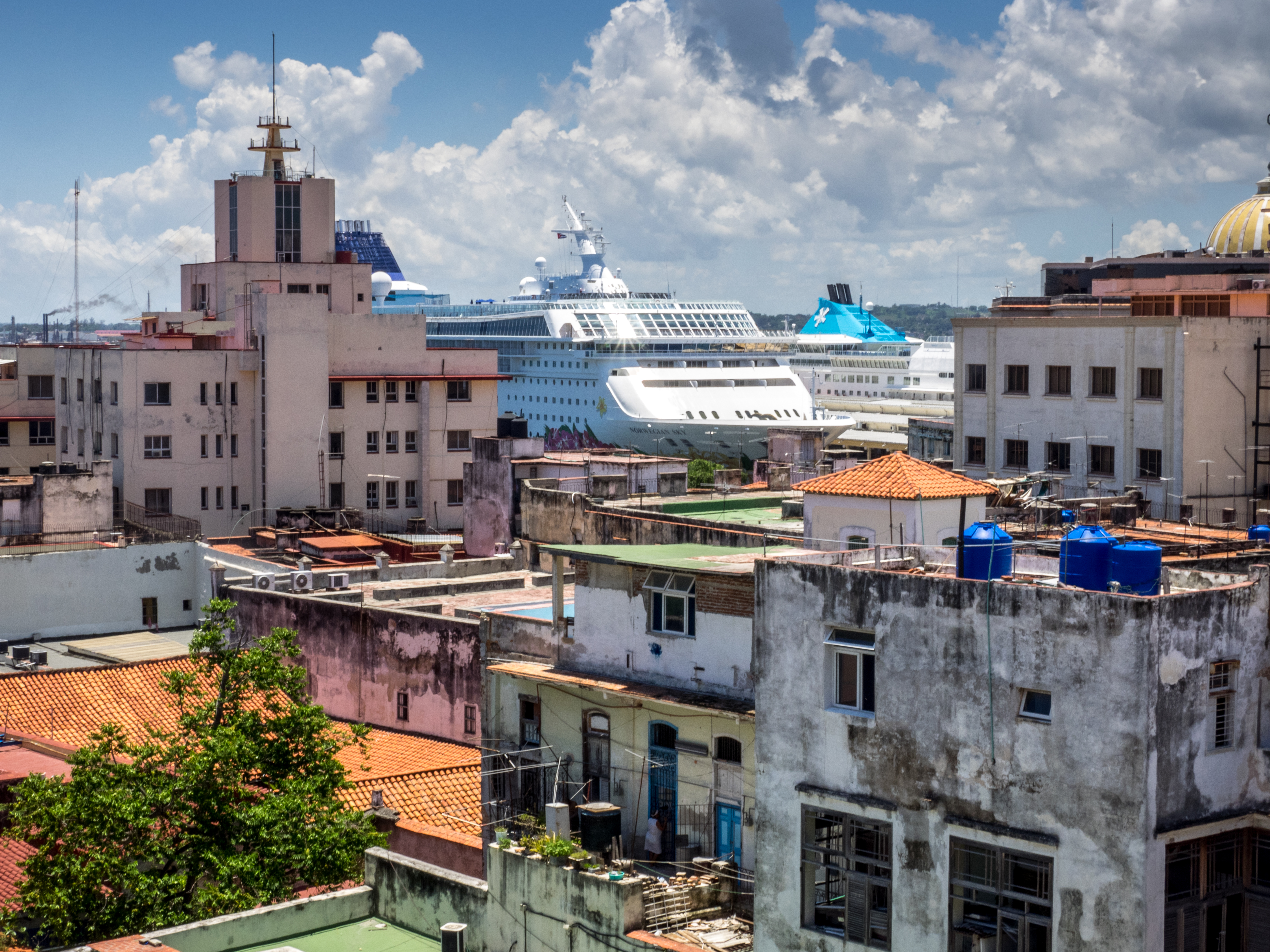
    Balconies, Havana, Cuba
    OLYMPUS DIGITAL CAMERA
    Cruise ships, Old Havana, Cuba
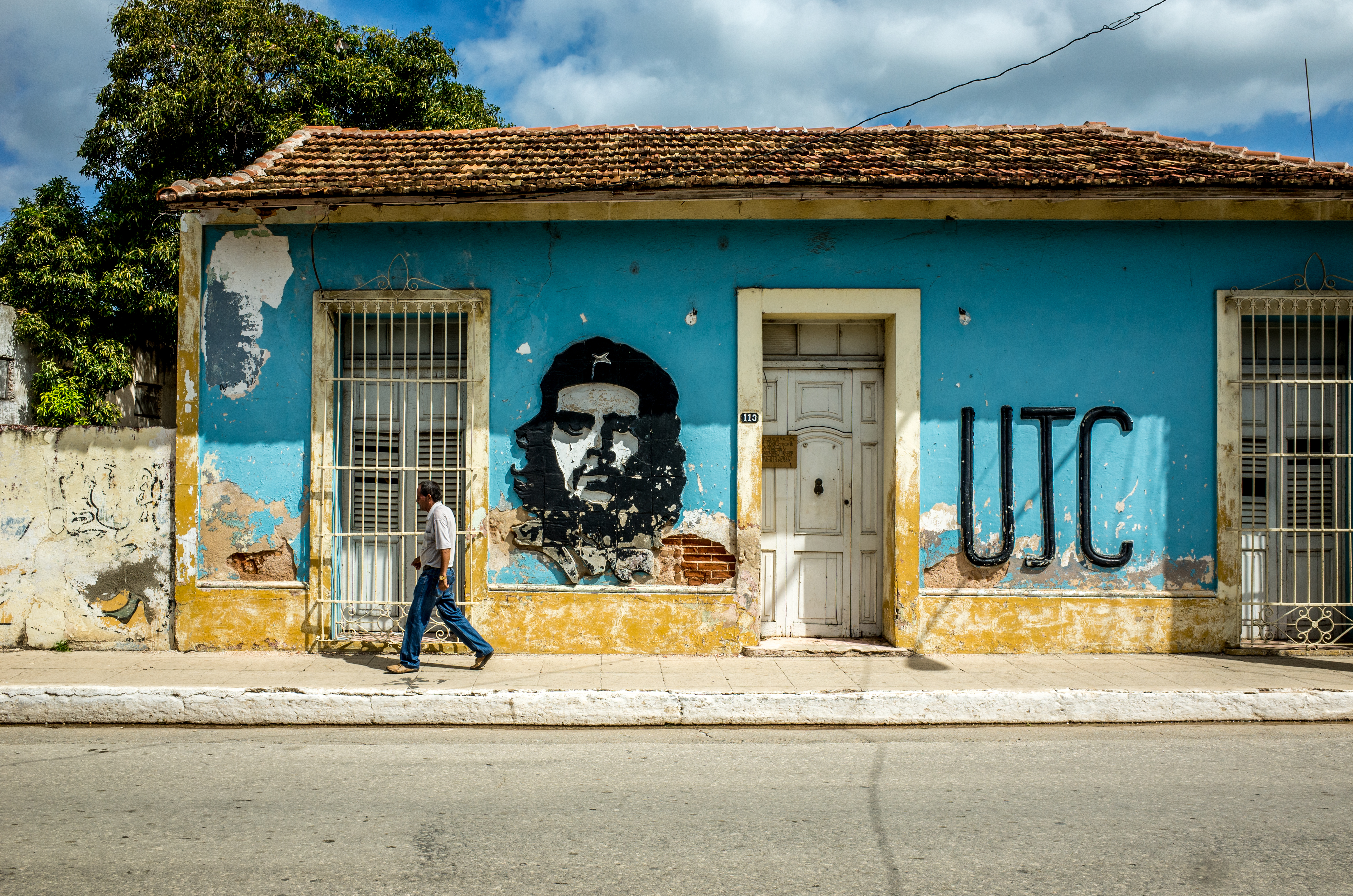
    Trinidad cuba
    Trinidad, Cuba
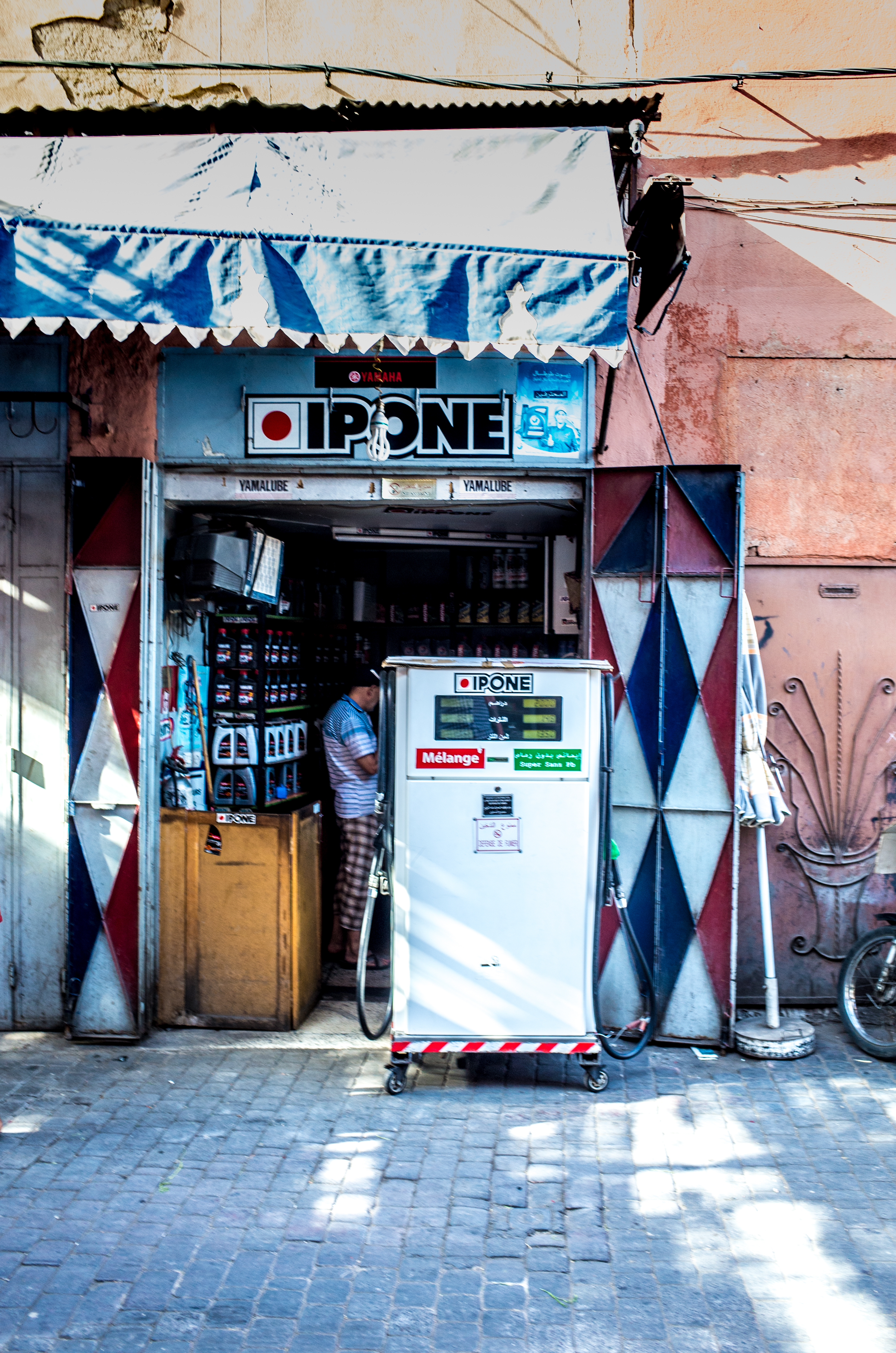
    petrol station marrakech
    One gasoline station, Marrakech, Morocco
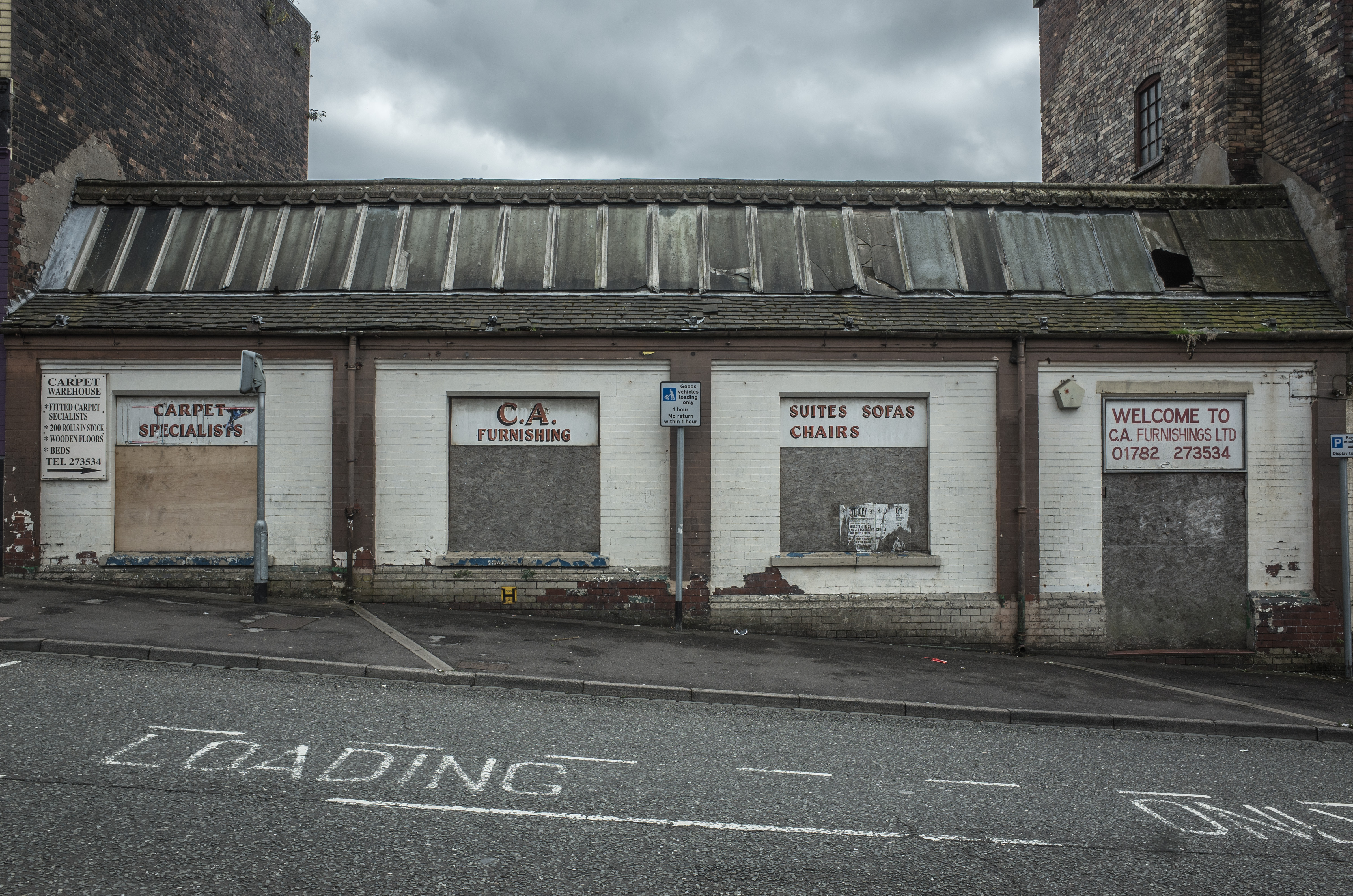
    R0032164
    Stoke-on-Trent, UK
    DSC05443
    Stoke-on-Trent, UK
    DSC05451
    Stoke-on-Trent, UK
  • One of the things that struck me quite forcefully about this week’s artciles and presentations was the ratio of photographs I see to photographs I remember. I must see hundreds of photographs, scrolling through socila media and photographic sites, yet I would be hard pushed to remember any of them. Over the last few days, the only photographs I now remember were the ones in the articles and presentations here, and that is because the context forced me to think about them – to appreciate them cognitively as well as aesthetically. In some cases, I was presented with photographs that I might otherwise have simply scrolled past – it was only the fact that they were included as part of the course that made me pause and ask myself why they were considered important. In the case of the Ori Gersht photos, I went from bafflement to engagement with the pure aesthetic response to them, to appreciation when the context was introduced. This was a photographic skill I had never previously considered, particularly not in my own practice – the creation of a mood – in this case melancholic otherworldliness that is then heightened when the context is made clear. I found this idea incredibly exciting and it is something I really want to explore further in my own practice.

    I must admit that my own practice is currently not mindful enough to take on the concern of balancing the emotive and the aesthetic – at least not at the stage I am initially making the photograph. As a travel photographer, I tend to walk and photograph and walk and photograph and so on. I think such concerns come into play at the stage I am processing the photographs and has (at least up until now) been a largely instinctual process.

  • Chance and serendipity are central to my photographic practice. Absolutely essential. I had planned out my presentation regarding ideas for my final project before reading this week’s material. And suddenly my presentation was considerably shorter as I had spent some time discussing the definition and practice of psychogeography. I even had the same two quotations from Merlin Coverley and Robert MacFarlane. Travel photography that takes in the major sights is, more often than not, just like karaoke or painting by numbers – satisfying enough for the participant but not exactly art; not saying anything new. This is what I found much of my travel photography to be. My interest in psychogeography actually predates my obsession with photography by many years – back to the time I first lived in London in 1997 when I consumed the books of Iain Sinclair and Stewart Home like oxygen (as far as I know Will Self hadn’t really got onto the pschogeographic wagon at this point). One of the few things I miss about living in London is getting lost. Intentionally. I have tried it in Dubai, but given the preponderance of massive 14-lane superhighways where other cities would have normal roads, it is hard to go beyond your immediate area on foot. I still regularly go to different areas of the city and just wander. Except when it gets too hot.

    My travel photography now revolves around being a pedestrian. I spend most of the time I am in a new city or a new country walking, with no particular aim, and photographing what I see as I pass. Even in the most obviously touristic destinations, I have been able to tip my hat to chance for some of the photos I have managed to make.

    pigeons-venice_33052479382_o
    Pigeons, Venice
    OLYMPUS DIGITAL CAMERA
    Sphinx and camels

    In terms of arbitrary parameters, the only time this has happened was on a trip to Pripyat and Chernobyl int he Ukraine. My main camera failed and I was left with the (still superb) Fujifilm X100S I was carrying as a backup – despite only having a 35mm equivalent lens, I still managed many shots I was very happy with. I now frequently think of traveling with just one fixed lens camera, but when it comes down to it I have always been to scared.

    As the heat dies down (at least a little bit) in Autumn and Winter, I intend to work with to photographer friends in Dubai on themed photo weeks and photowalks.

  • On my last visit to the UK, I witnessed more violence in the first 24 hours than I had in the previous 8 years living in a Muslim country. That day I also read several Facebook posts from less enlightened ‘friends’ complaining about how Islam represented a culture of violence. This discrepancy between what I have encountered as I have traveled the world and the way much of the world is portrayed to those who don’t travel has become the main focus of my photography. I believe it is my moral duty to make images with a view to educating people not only in what life is like in other countries, but also how similar it can be to the lives they lead themselves. In pursuit of this, I make many images of people, seeking to show that despite the sometimes vast differences in their culture, their dress, their environment, they have more in common with those viewing the image than that which sets them apart.

    My dilemma here is that I am still representing people as being ‘the other’. I find that there is often a faint whiff of the Victorian freak show about travel photography – come and wonder at how different these people are. My dilemma is whether or not it is possible to subvert this idea. Whenever I photograph people, I only attempt to take, and certainly only use, photographs that maintain the dignity of the subject. Although it may be an act of cultural imperialism, I do try and imagine that if this were a photograph of myself, would I be pleased with it? There have been numerous times when I have had the chance to make a good, often potentially humorous image that I have decided against because the humour relies on the difference of the subject from my imagined audience. And there is quite enough of that kind of shit about already, frankly speaking.

    There is also, of course, the fact that photographs have very little power in inspiring long term change in people. In our social media influenced society, there is the assuaging of any discomfort at having our ideas challenged by way of a like or a share allowing us to publicly wring our hands and then move on. Such, I fear, was the case with Alan Kurdi. As with a great many people, I was moved to tears when I first saw the photographs. There was much wailing and gnashing of teeth across the continent; then things carried on as normal. The despicable Daily Mail ‘newspaper’ howled about the horror of his death then, almost immediately went back to printing story after story about the horror of migrants and how they threatened Great British ideals. There is a really unpleasant culture of compassion-porn at the moment. Something horrible happens, people post about how horrified they personally are on Facebook then, feeling better for this purge, carry on as though nothing had happened. This has gone beyond mere compassion fatigue into new and uncharted territory. And yet these images need to be seen. If there is an answer, I don’t know what it is.